


 iGaming
The Real Math Behind Slot RTP (And Why It Matters)
-
Oliver Radcliffe
-
20 November 2026
6 mins read
Comments
views
Ask ten slot players what RTP means and you'll get ten variations of the same vague answer: "It's the payback percentage, right?" Technically true. Practically useless if that's where your understanding stops. The gap between knowing a number and knowing how that number behaves over your session is where most bankrolls quietly die. So let's close that gap.
What RTP Actually Measures (And What It Doesn't)
Return to Player is a theoretical figure calculated over millions of spins. A 96% RTP slot returns, on average, $96 for every $100 wagered — eventually. "Eventually" is doing heavy lifting in that sentence.
Here's the part most players miss: RTP tells you nothing about how a game distributes its wins. Two slots can both sit at 96% RTP while behaving nothing alike. One might pay steady small wins that keep you hovering around your starting balance. The other might drain you for 400 spins straight and then dump a 2,000x multiplier in one hit. Same RTP. Completely different emotional and financial experience.
This is why volatility (sometimes called variance) matters as much as RTP — arguably more, depending on your bankroll size. A low-volatility game at 95% RTP might be a better fit for a $50 bankroll than a high-volatility game at 96.5%. The extra 1.5% doesn't mean much if you bust before the big win arrives.
Quick rule of thumb for volatility:
- Low volatility — frequent small wins, gentler swings, ideal for long sessions on a modest budget
- Medium volatility — balanced hit frequency and payout size, the industry's default setting
- High volatility — rare but large payouts, brutal dry spells, needs deep pockets and patience
The House Edge, Translated Into Real Money
House edge is just the inverse of RTP. A 96% RTP game carries a 4% house edge. Sounds small. Let's scale it up.
Say you're spinning at $1 per spin, 600 spins an hour (realistic for a fast slot). That's $600 through the machine in an hour. At a 4% edge, your expected loss is $24. Over a five-hour session, that's $120 in theoretical losses. At a 92% RTP game — common on some progressive jackpot slots where the edge funds the jackpot — your expected loss for the same five hours is $240.
Now compare that to table games. Blackjack played with basic strategy can get the house edge down to 0.5%, meaning the same $600 in action costs you $3 in expected losses. That's a genuinely wild difference. Slot players pay for the entertainment of not having to think. For more on this, see สล็อต.
None of this means slots are a bad choice. But going in with accurate numbers changes how you size your bets, how long you play, and how you react when a session goes sideways.
Where Poker Sits in This Picture
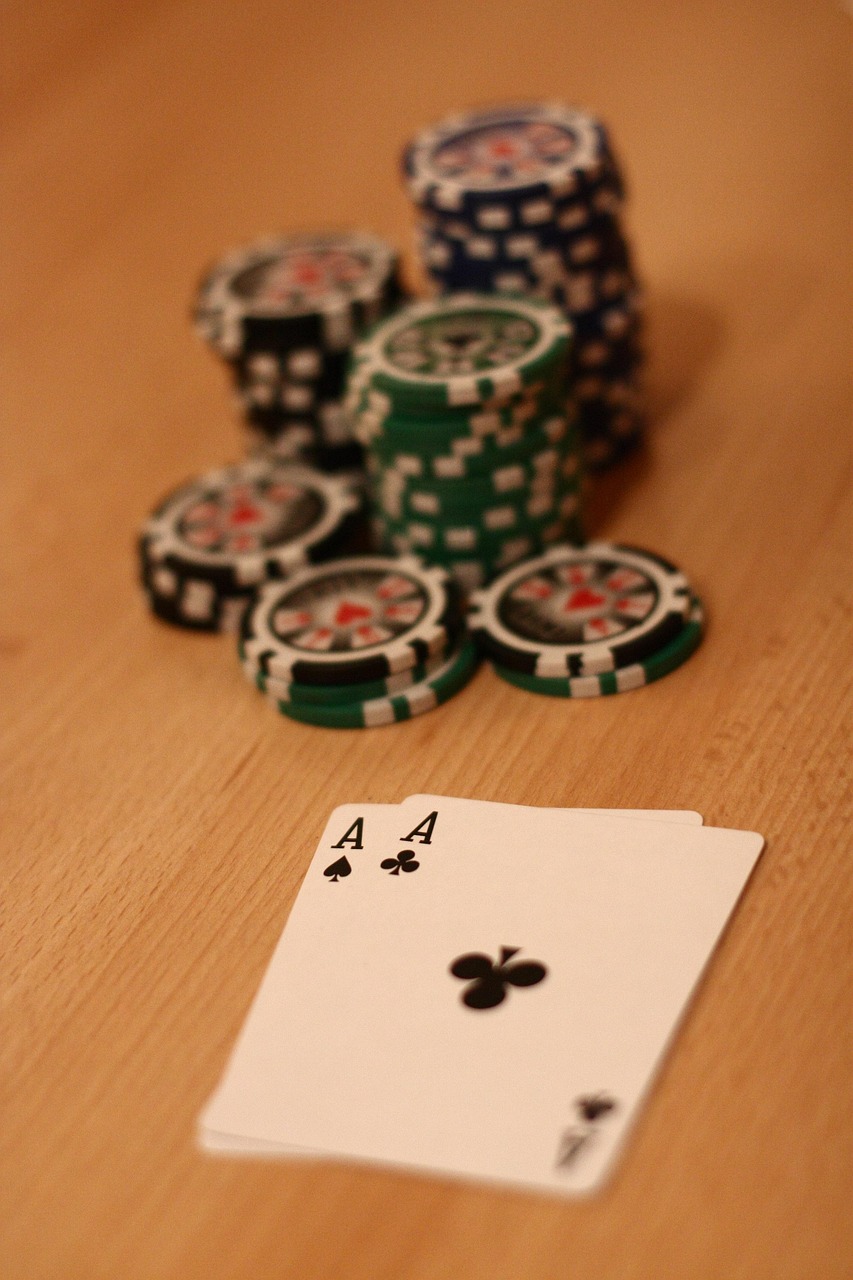
Poker is the outlier in the casino world because you're not playing against the house — you're playing against other players. The house takes a rake (a small cut of each pot, typically 2.5–10% capped at a few dollars), but the money you win comes from opponents, not from a fixed mathematical edge baked into the game's programming.
That distinction matters enormously. A skilled poker player can achieve positive expected value over the long run. A slot player cannot. No amount of skill changes the RNG's output distribution. Poker rewards reading opponents, managing position, pot odds, and emotional control. Slots reward pressing a button and hoping.
If you want the closest thing to a "beatable" casino game, it's poker (specifically no-limit hold'em or pot-limit Omaha), followed by blackjack with perfect basic strategy, then video poker with optimal play on the right pay tables. Everything else is entertainment with a built-in cost.
Reading a Paytable Before You Spin
Most players never open the paytable. That's a mistake. Here's a quick pre-play checklist:
- Check the RTP figure. Online slots legally publish this in the info screen. Anything under 94% is stingy by modern standards; the best providers push 96–97%.
- Look at max win. Some slots cap at 5,000x your bet; others advertise 100,000x. Higher max wins usually come with lower hit frequency.
- Check bet sizing requirements. Many slots require max bet to unlock the full feature set or the best jackpot eligibility. Read the fine print.
- Look at the paytable ordering. If low symbols pay almost nothing and top symbols require five-of-a-kind, expect lumpy results.
- Test in demo mode first. Every reputable casino offers free play. Run 200–300 spins to feel the volatility before committing cash.
Bankroll Math That Actually Helps
Here's a simple framework I've used for years: never buy into a session with more than you're comfortable losing entirely, and never bet more than 1% of that session bankroll per spin or hand.
With a $200 slot bankroll, that's $2 max per spin. At that sizing, even a rough 96% RTP game gives you hundreds of spins of play before variance eats through your balance. It also lets you survive long enough to actually hit a bonus round — which is where the vast majority of slot value lives. Bonuses routinely account for 60–80% of a game's total RTP.
And set a hard stop-loss number before you start. Not a soft "I'll stop if I'm down a lot" intention. A concrete figure. The players who lose the most aren't the ones with bad luck — they're the ones who keep rebuying after the luck turns.
The Honest Takeaway
Slots, blackjack, poker, and sports betting all sit on the same spectrum: structured entertainment where math dictates the long-term outcome even as short-term results feel random. The house edge always wins over enough spins. Your job isn't to beat it — you can't, not on slots. Your job is to understand it well enough that the cost of your entertainment is a conscious choice, not an unpleasant surprise.
Play the games you genuinely enjoy, at stakes your bankroll can absorb, with stops in place before the dopamine gets a vote. Do that, and the math stops being your enemy. It just becomes the fine print on a night out.

Lena Marcelline
Culture & Lifestyle WriterTheo’s work connects emotion and design, turning ideas into conversations that inspire new ways of seeing.
Weekly trending


Categories


Spotlight
How to insulate a Victorian sash window without losing character
A beginner's guide to maintaining a cast iron radiator
Creating a cosy reading nook beside the hearth
Best ways to season firewood for winter burning